
If you’ve lived in McDonough for a while, you’ve probably had at least one run-in with a pest you didn’t invite. Maybe it was ants marching and leaving a trail, mosquitoes chasing you off the back porch, or a scratching sound in the attic that you tried very hard to ignore. None of this is unusual around here. Henry County’s warm, humid climate is basically an open invitation for insects, rodents, and the occasional snake, and most of them are happy to take you up on it.
None of that is unusual here. Henry County‘s warm, humid climate is an open invitation for insects, rodents, and the occasional snake, and most of them take you up on it.
Some pests show up seasonally and announce themselves. Others move in quietly and only get noticed once the damage is hard to miss. Either way, catching it early usually makes it easier and cheaper to fix.
Direct Pest Solutions offers free quotes and thorough inspections to help McDonough homeowners figure out what they’re dealing with. Below are the pests we see most, how to spot them early, and how to keep them under control.
The Most Common Pests in McDonough Homes
Ants

Ants are probably the pest you already know best, mostly because they’re the pest you already see the most. One or two on the counter isn’t a big deal. A steady line marching in from a crack in the baseboard usually means a colony has already found its way in and is telling its friends.
Colonies tend to set up around foundations, under mulch beds, or inside wall voids, which is exactly why a can of spray from the store rarely finishes the job. You can kill what’s on the counter and still have a full colony working a few feet away. Keep an eye out for repeating trails, small mounds of dirt near cracks, or winged ants showing up indoors on a warm day, since that usually means a colony is mature enough to expand.
Wasps

A few wasps in the yard during summer is normal. A nest under your porch roof is a different problem.
Wasps build under eaves, deck railings, sheds, and even playground equipment. They’re less forgiving than bees if they feel threatened, since most species can sting more than once.
If wasps keep flying into the same small gap along your roofline, a nest is likely already built and growing. Skip the DIY approach here. Knocking down a nest yourself can turn one problem into a swarm heading straight at you.
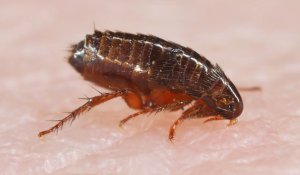
Fleas don’t need your pet to get onto your property. Squirrels, raccoons, opossums, and stray cats can all drop them off in your yard first.
Once fleas reach carpet, furniture, or pet bedding, they multiply fast. A small flea problem can spiral within a couple weeks.
If your pet is scratching more than usual, or you spot tiny dark specks in their fur, that’s usually the first clue. Treating the pet only solves half the problem if fleas have already settled into your carpet or yard.
Ticks

Ticks show up around the same time as fleas, for similar reasons: warm weather, tall grass, and wildlife passing through. Unlike fleas, they don’t jump. They wait on grass or shrubs for something warm-blooded to brush past, which is why they’re common after yard work or a walk near the tree line.
Beyond the itch, ticks carry real health risks for people and pets. A bite followed by a rash or fever is worth mentioning to a doctor. Keeping your lawn trimmed and clearing brush piles cuts down on the spots ticks like to wait.
Cockroaches

Cockroaches are one of those pests that make a home feel dirty and uncomfortable the moment you spot one, and McDonough’s warm, humid climate keeps them active all year instead of just in summer. They’re drawn to moisture and food, which is why kitchens, bathrooms, and basements tend to be their favorite spots.
The tricky part is that cockroaches are mostly nocturnal, so seeing one in daylight often means the population behind your walls or under your appliances is already larger than you’d expect. Look for a musty, oily smell in areas they frequent, small dark droppings that resemble coffee grounds or pepper, and egg cases tucked into cracks near sinks, pipes, or cabinets. Beyond the discomfort, cockroaches can trigger allergies and worsen asthma symptoms, especially in kids, which makes them more of a health concern than most people realize. Sealing up moisture sources and keeping food tightly stored helps, but an established population usually needs more than a can of spray to actually clear out.
Rodents

Mice and rats are active in McDonough all year, but fall and winter tend to be their busiest season since cooler weather pushes them to look for warmth indoors. They don’t need much of an opening either. A mouse can squeeze through a gap the size of a dime, and a rat only needs a little more room than that.
The telltale signs are droppings in cabinets or pantries, scratching in the walls at night, and gnaw marks on food packaging or wiring. That last one matters more than it sounds, since chewed wiring is a legitimate fire risk, not just an annoyance. What starts as one or two mice can turn into a real infestation within a few months if nothing’s done about it.
Termites
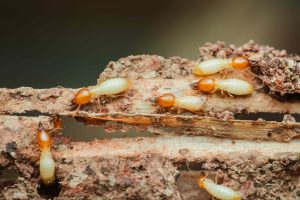
Termites are the quiet one on this list, and that’s exactly what makes them dangerous. While most pests announce themselves fairly quickly, termites can work behind your walls and under your floors for months, sometimes years, before anyone notices.
Georgia’s subterranean termites build narrow mud tubes to travel between the soil and the wood in your home, which keeps them protected from open air while they work. Watch for those mud tubes along the foundation, wood that sounds hollow when you tap it, or bubbling paint that hints at moisture and damage underneath. Spring swarms of winged termites are also a strong sign a colony nearby just sent out new members. A routine inspection is genuinely one of the best investments you can make here, since by the time damage is visible, repairs usually aren’t cheap.
Mosquitoes
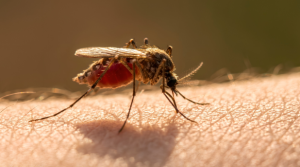
Mosquitoes need very little to get started. A bottle cap’s worth of standing water is enough for them to lay eggs, which is why bird baths, gutters, forgotten flower pots, and kids’ toys left in the yard all double as breeding grounds without anyone realizing it.
Past the itching, mosquitoes can carry diseases that affect people and pets, so treating them isn’t just about comfort. Dumping standing water regularly makes a real difference, though properties near ponds or with a lot of shade often need a professional treatment during peak season to keep the yard usable.
Spiders
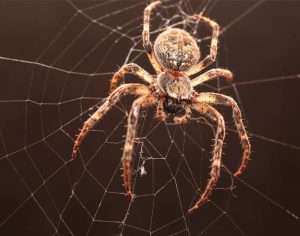
Most spiders around McDonough are harmless, and honestly, they’re doing you a favor by eating other bugs. That said, nobody wants a web across the garage door every morning, and spiders tend to settle wherever bugs are plentiful, which includes basements, attics, sheds, and crawl spaces.
If you’re suddenly seeing a lot more spiders than usual, take it as a clue rather than a coincidence. Spiders follow their food source, so a spike in spider activity often means there’s a bigger insect problem somewhere close by.
Brown Recluse Spiders

Brown recluse spiders get more attention than their actual numbers deserve. They’re less common in Georgia than a lot of people assume, and they’d rather avoid you than bite you. You’ll typically find them in quiet, undisturbed spots like cardboard boxes, closets, attics, and wood piles.
The tricky part is that plenty of harmless brown spiders get misidentified as recluses, so it’s worth having one properly identified before assuming the worst. If you are bitten and start seeing severe pain, blistering, or symptoms getting worse over time, get medical care rather than waiting it out.
Joro Spiders

If you’ve noticed large yellow spiders with striking blue markings building enormous golden webs across your yard the last couple of falls, you’ve met the Joro spider. They’ve become a familiar sight across Georgia in a fairly short amount of time, usually showing up between trees, along fences, and near porches from late summer into fall.
Despite how dramatic they look, Joro spiders aren’t aggressive and mostly keep to themselves, catching flying insects in their webs. Most people don’t need to treat them at all, though plenty of homeowners still prefer the webs gone, especially around doorways and patios where you’re likely to walk straight into one.
Snakes
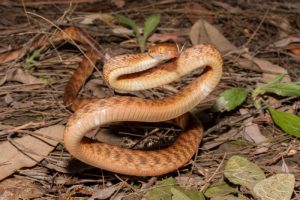
Finding a snake in your yard tends to trigger a very specific kind of panic, but most snakes around McDonough are harmless and actually help by keeping the rodent population down. If a snake showed up on your property, it’s almost always because something else drew it there first, usually mice, rats, frogs, or another small food source.
They like to hide in tall grass, wood piles, rock piles, and under decks, so a cluttered yard is basically a welcome mat. Tidying up outdoor spaces and getting a handle on any rodent activity makes your property a lot less interesting to snakes. If you do spot one and aren’t sure what it is, the safest move is distance first, questions later. Call a professional for removal if needed.
Bats

Bats are useful to have around outside, since they eat a serious number of insects each night, but that usefulness stops the moment they’re roosting in your attic instead of a tree. Small gaps around the roofline, vents, or attic openings are all it takes for a colony to move in, especially in warmer months.
Scratching or fluttering sounds after sunset, droppings collecting under an attic opening, and a strong ammonia smell are the usual giveaways. Bats are protected during certain parts of the year, which means removal has to be timed carefully and done humanely. This is genuinely one to leave to professionals, since sealing an entry point too early can trap bats inside or separate mothers from their young.
Practical Ways to Help Prevent Pests Around Your Home
You can’t eliminate every pest around your property, but a few simple habits can make your home much less inviting.
- Seal gaps around doors, windows, utility lines, and your foundation.
- Keep trees, shrubs, and mulch from touching your home’s exterior.
- Store food in sealed containers and clean up crumbs and spills promptly.
- Fix leaking pipes, outdoor faucets, and other moisture issues.
- Empty standing water from buckets, bird baths, gutters, and flower pots.
- Keep garbage bins tightly closed and away from entry doors when possible.
- Trim tall grass and remove brush, leaf piles, and other outdoor hiding spots.
- Store firewood off the ground and away from your home.
- Schedule routine pest inspections, especially if you’ve dealt with infestations before.
These steps won’t guarantee a pest-free home, but they can reduce the chances of pests settling in.
Why DIY Pest Control Doesn’t Always Work
It’s tempting to handle a pest problem yourself, especially when you spot the first signs. Store-bought sprays, traps, and repellents can help with small issues, but they rarely solve the reason pests keep coming back.
Many pests spend most of their time hidden inside walls, attics, crawl spaces, underground nests, or around your home’s exterior. Treating the pests you can see doesn’t remove the colony, nest, or entry point that’s allowing new ones to take their place.
Sometimes DIY methods make things worse. Spraying an ant trail can scatter the colony instead of eliminating it. A couple of rodent traps won’t help much if mice are still getting in through a gap somewhere else in the house. Foggers rarely reach where spiders actually hide, and removing a wasp nest without the right equipment is genuinely dangerous. Even well-meaning fixes like mothballs for snakes or sealing up a bat entry point too soon can backfire, either because the pest comes right back or because you’ve accidentally trapped something inside.
The difference with professional treatment is that it starts with finding the actual source, not just treating what you can see. Identify the pest, find where it’s living, and deal with whatever’s attracting it in the first place. That’s what actually makes the problem stay gone instead of just quiet for a week..
When It’s Time to Call a Pest Control Professional
Some pest problems are easy to spot. Others build slowly until they become much harder to manage. If you’ve noticed any of these warning signs, it may be time to speak with a professional.
- You’re seeing pests almost every day instead of occasionally.
- Store-bought sprays or traps only seem to work for a short time.
- Pest activity is spreading into more areas of your home.
- You hear scratching, chewing, or movement inside walls or ceilings.
- Droppings keep appearing after you’ve cleaned them up.
- You notice damaged wood, chewed wiring, or torn insulation.
- Your family is getting bitten by insects around the home or yard.
- Your pests are experiencing discomfort and constantly itching
- You’re finding nests, mud tubes, webs, or other signs of ongoing activity.
Waiting usually gives pests more time to spread. A professional inspection can identify what’s causing the problem before it becomes more expensive to fix.
Protect Your McDonough Home With Trusted Pest Control
Pests don’t usually go away on their own, and waiting often gives them more time to spread, reproduce, or cause damage. If you’ve noticed signs of pest activity around your home, getting a professional inspection can help you understand what’s happening before the problem becomes more expensive to fix.
At Direct Pest Solutions, we don’t believe every home should receive the same treatment. We carefully inspect your property, identify the source of the problem, and build a treatment plan around the pests we’re dealing with and the needs of your household.
We also use carefully selected products and application methods, including lower-toxicity and EPA-exempt options when appropriate, along with food-safe gel baits, botanical insecticides, and tamper-resistant bait stations for certain services Our goal is to help you get back to enjoying your home with fewer worries and lasting protection against unwanted pests.
Give us a call or send an email to book our pest control service in McDonough. Our team knows this area, and we’d rather help you catch a problem early than deal with the bigger version of it later.
Frequently Asked Questions
What pests are active year-round in McDonough?
Ants, rodents, cockroaches, spiders, and termites can be active throughout the year. Mosquitoes, wasps, fleas, and ticks become much more noticeable during the warmer months.
Why am I seeing more pests after it rains?
Heavy rain can flood nests and burrows, forcing ants, rodents, spiders, and other pests to look for dry shelter inside nearby homes.
Are Joro spiders dangerous to people or pets?
No. Joro spiders may look intimidating because of their size, but they are not considered aggressive and their bite is not considered medically significant for most people.
Why do pests keep coming back even after I clean my house?
Clean homes can still attract pests. Small entry points, moisture, pet food, standing water, and nearby nests can all keep pests coming back, even if your home is spotless.
What’s the difference between carpenter ants and termites?
Carpenter ants tunnel through wood to build nests but don’t eat it. Termites feed on wood, which can weaken the structure of your home over time. Both should be inspected by a professional.
Is it normal to see more rodents during the fall and winter?
Yes. As temperatures drop, mice and rats often move indoors looking for warmth, food, and shelter, making this one of the busiest times of year for rodent activity.
When should I call a pest control company instead of handling it myself?
If pests keep returning, you’re seeing signs of damage, hearing activity inside walls, or the infestation seems to be spreading, it’s a good idea to schedule a professional inspection before the problem gets worse.
How do I choose the right pest control company in McDonough?
Look for a company that is licensed, insured, and experienced with the pests common in the McDonough area. It’s also a good idea to choose a provider that offers thorough inspections, explains their treatment plan clearly, and provides honest recommendations instead of a one-size-fits-all approach.