
6 Signs of Rodent Infestation in McDonough Homes: Risks & Control
Rodents can find their way into your home through small gaps around the roof, foundation, vents, doors, and other openings. Once inside, they may find food, water, and sheltered spaces where they can hide and nest.
A rodent infestation can leave behind more than a few droppings. Mice and rats may chew wiring, damage insulation, contaminate surfaces, and create conditions that can pose health concerns for people in the home.
If you have noticed scratching sounds, droppings, gnaw marks, or other signs of rodents in your home in McDonough, it is important to find out where they are coming from and how they are getting inside. Direct Pest Solutions can inspect your home, identify signs of rodent activity, and recommend the appropriate rodent control services.
6 Signs of Rodent Infestation
You do not always have to see a mouse or rat to know there is a problem. Rodents are often most active at night and may stay hidden inside walls, attics, crawl spaces, cabinets, and other areas.
The CDC identifies droppings and gnaw marks as two common signs of rodent activity.
1. Rodent Droppings
Droppings are one of the easiest signs to notice. Check inside cabinets, drawers, garages, attics, crawl spaces, behind appliances, and along areas where food is stored. Fresh droppings can indicate ongoing activity, especially if you continue finding new droppings after cleaning an area.
2. Scratching and Scurrying Sounds
Hearing scratching, chewing, or scurrying sounds at night can indicate rodents moving through walls, ceilings, attics, or other enclosed areas. Repeated sounds coming from the same part of the home may indicate that rodents are using the area regularly.
3. Gnaw Marks
Rodents need to gnaw, and they may leave marks on food packaging, wood, plastic, insulation, and electrical wiring. Look for fresh chew marks around potential entry points, stored food, cabinets, and areas where wiring or other materials are exposed.
4. Nesting Materials
Rodents may use shredded paper, cardboard, fabric, insulation, leaves, and other soft materials to build nests. Finding a collection of shredded material in a quiet, enclosed area can be a sign that rodents are nesting nearby.
5. Grease Marks and Tracks
Rats can leave dark or greasy marks along walls and other surfaces they regularly travel against. You may also notice tracks, disturbed dust, or other signs along established routes.
6. Unusual Foul Odors
A persistent musty or unpleasant smell can sometimes indicate rodent activity, especially when rodents are nesting in enclosed spaces that are difficult to access. The odor can come from rodent urine, droppings, nesting materials, or a dead rodent hidden inside a wall, attic, crawl space, or other enclosed area. If the smell keeps returning after cleaning, check nearby areas for other signs of an infestation.
Identifying Common Rodents in McDonough
Several types of rodents can be found in and around homes in McDonough. Knowing the basic differences can help you identify what you may be seeing and understand the signs it leaves behind.
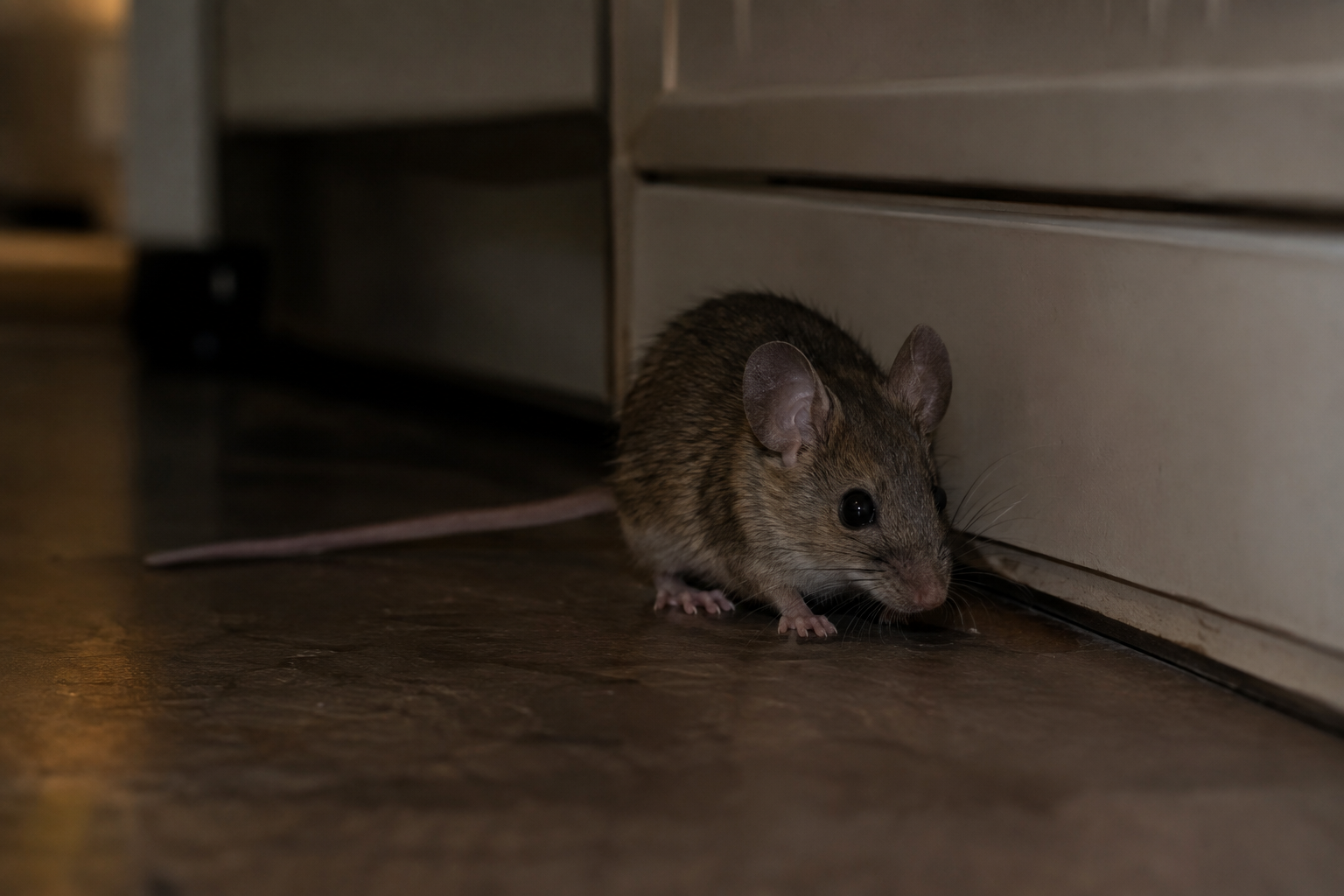
House Mice
House mice are small, slender rodents that usually measure 2.5 to 4 inches long, with gray or light brown fur, large ears, and a pointed nose. They are found throughout Georgia and commonly live around homes, buildings, and other areas where food and shelter are available. They are mostly active at night and can hide in walls, cabinets, attics, garages, and other quiet spaces.
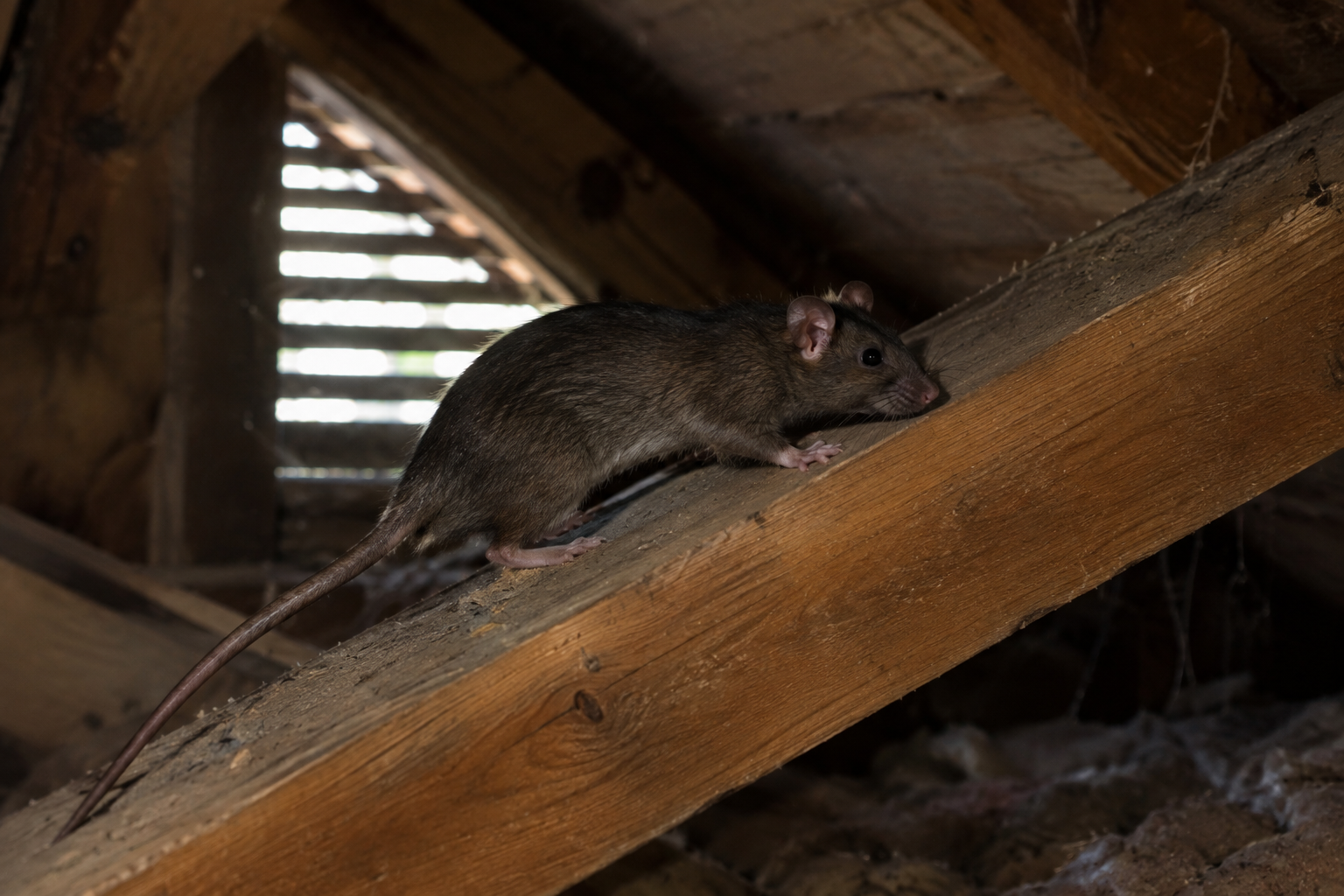
Roof Rats
Roof rats are larger and more slender, usually measuring 6 to 8 inches long with dark brown or black fur, large ears, a pointed nose, and a long tail. They are strong climbers and often use trees, utility lines, and roofs to reach attics and other elevated areas. Roof rats are mostly active at night and may nest in attics, wall voids, soffits, and other sheltered spaces.
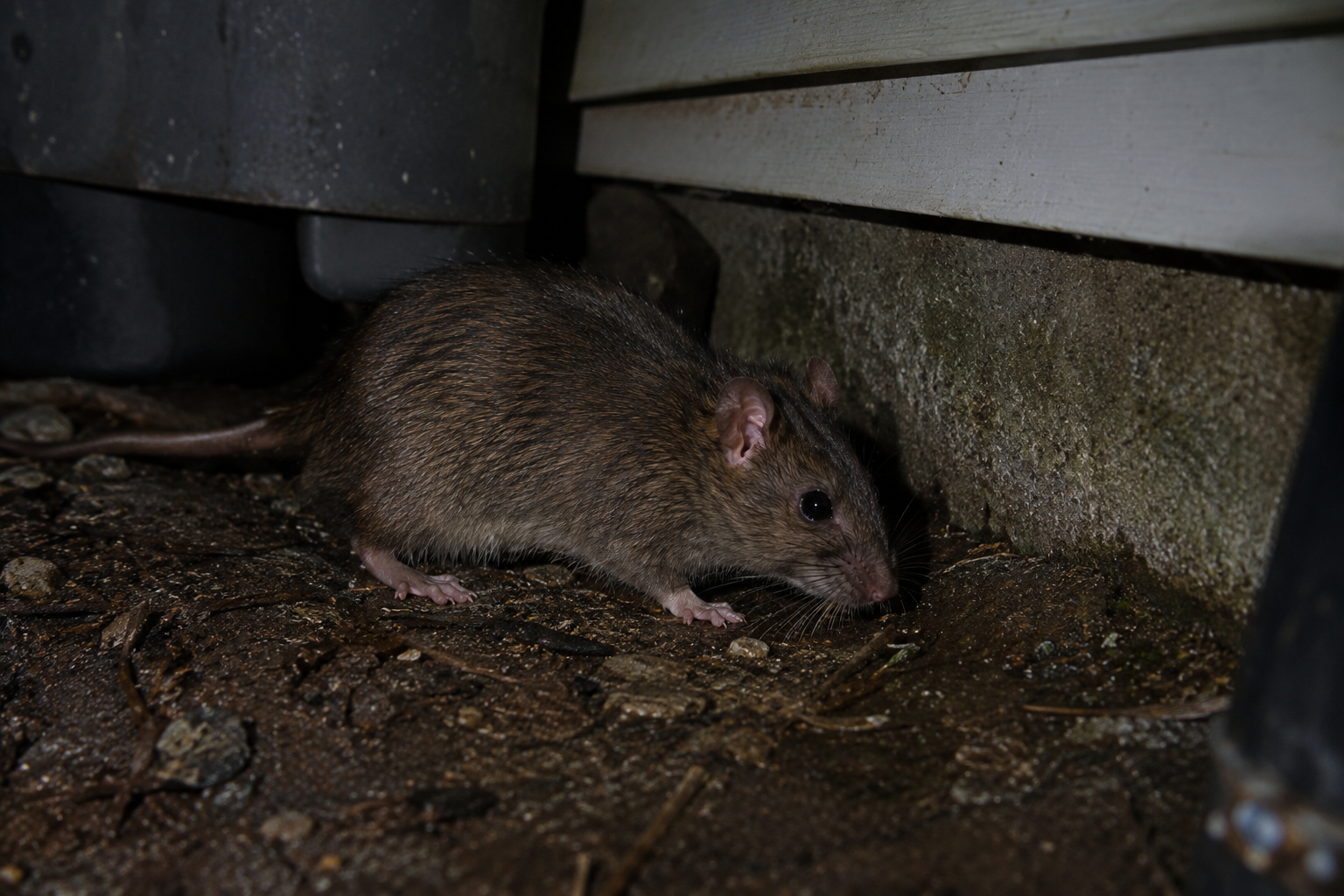
Norway Rats
Norway rats are larger and heavier than roof rats, with brown or grayish-brown fur, small ears, blunt noses, and tails that are shorter than their bodies. They tend to stay closer to the ground and may be found around crawl spaces, garages, sheds, foundations, and areas with accessible food or garbage. They are mainly active at night and can burrow in soil or hide beneath structures and outdoor debris.
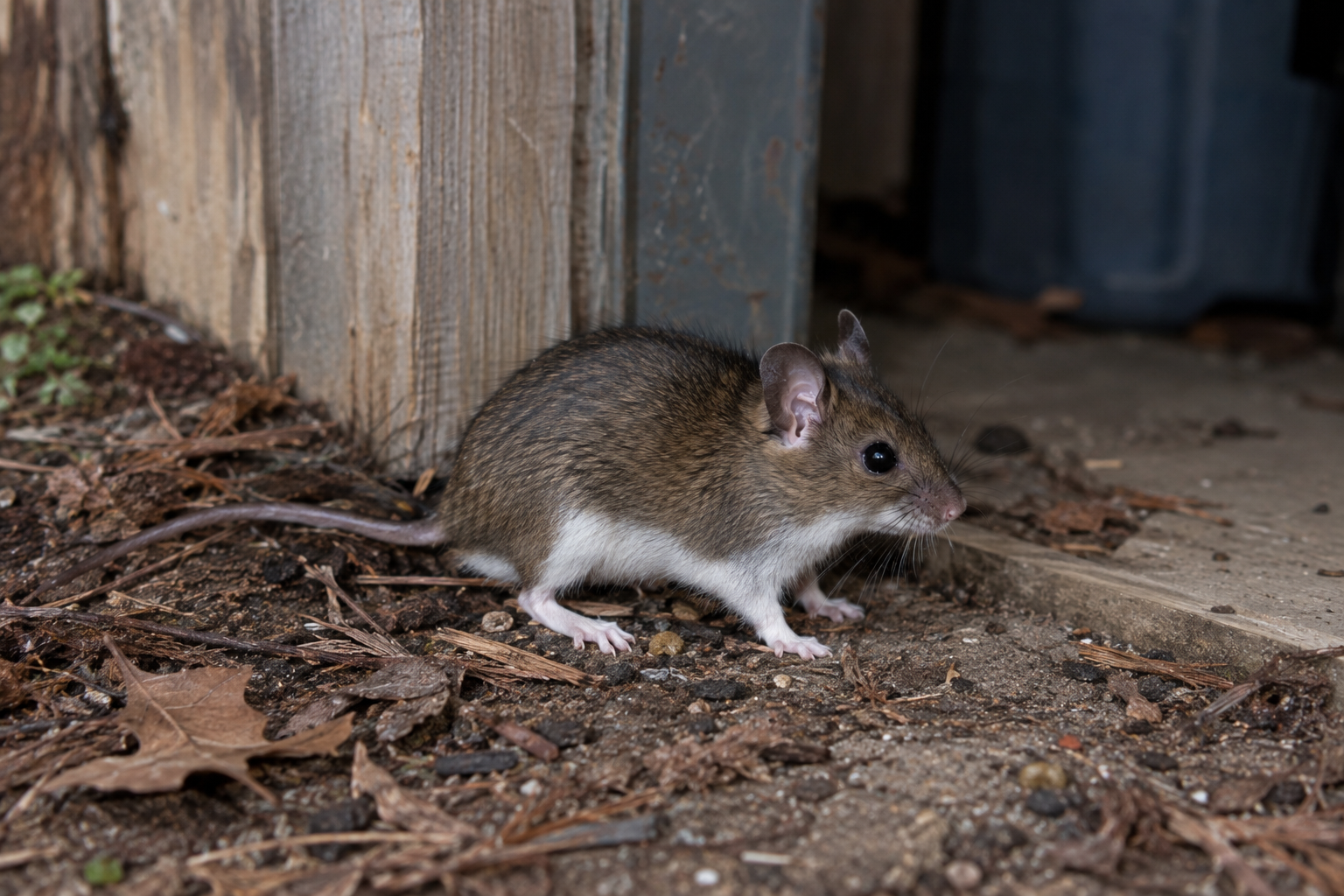
Deer Mice
Deer mice are small rodents with brown or gray fur on their backs, white undersides, and noticeably white feet. They are native to North America and are more commonly associated with wooded, grassy, and rural areas than house mice. They are mostly active at night but can enter attics, garages, sheds, and crawl spaces when looking for food and shelter.
What Causes Rodent Infestations?
Rats and mice usually stay where they can find the basic things they need: food, water, and shelter. A home can provide all three if there are accessible food sources, moisture, clutter, or openings around the structure.
Common conditions that can attract or allow rodents into a McDonough home include:
- Gaps around doors and windows
- Openings around pipes, wires, and utility lines
- Damaged vents or screens
- Gaps around the roof, soffits, and fascia
- Cracks around the foundation
- Unsecured garbage
- Pet food left outside
- Birdseed and animal feed
- Fallen fruit
- Standing water or plumbing leaks
- Woodpiles and outdoor clutter
- Dense vegetation close to the home
Even a small opening can give rodents a way inside. The CDC recommends checking both the inside and outside of a home for gaps and sealing openings that could allow rodents to enter.
What Are the Risks of a Rodent Infestation?
A rodent infestation can affect your home as well as the people living inside it. Rodents can contaminate areas with urine and droppings, carry germs, and damage materials while they nest and move around.
Health Risks
Rodents can carry germs that spread to people through contact with the animal, its urine, droppings, saliva, or contaminated materials. Some diseases can also spread indirectly through fleas, ticks, mites, and other vectors associated with rodents.
Hantaviruses are one example of a rodent-associated health concern. People can become exposed when contaminated urine, droppings, or nesting materials are disturbed and particles enter the air.
This is one reason you should take care when cleaning areas where rodents have been active. The CDC recommends disinfecting rodent waste rather than sweeping or vacuuming dry droppings, urine, or nesting materials, which can put contaminated particles into the air.
Property Damage
Rodents can also cause damage as they move through your home.
Potential problems include:
- Electrical wiring: Rats and mice may chew electrical wires, creating the need for repairs and potentially increasing fire risk.
- Insulation: Nesting and movement can disturb or contaminate insulation.
- Wood and building materials: Repeated gnawing can damage wood and other materials.
- Stored belongings: Paper, cardboard, fabric, and other materials may be used for nesting.
- Food and surfaces: Rodent waste can contaminate areas where food is prepared or stored.
Financial Impact
The cost of a rodent problem is not always limited to calling an exterminator. Rodents can cause significant damage by chewing wires, and infestations can grow quickly because of their short life cycles and reproduction rates. If rodents damage your property or stored belongings, you may have to pay for repairs or replacements, and cleaning heavily contaminated areas can add another expense.
There can also be medical costs if someone in the household becomes ill after exposure to rodent waste or contaminated areas, including doctor visits, testing, and treatment. The longer the problem goes unnoticed, the more expenses can pile up.
How to Remove Rodents From Your McDonough Home
Removing rodents starts with figuring out where they are active and how they are getting inside. Simply catching one mouse or rat may not solve the problem if other rodents remain or an entry point is still open.
Identify Where Rodents Are Active
Start by looking for droppings, gnaw marks, nesting material, damaged food packaging, and other signs. Check areas such as:
- Attics
- Garages
- Crawl spaces
- Wall voids
- Cabinets
- Basements or lower-level areas
- Around appliances
- Storage areas
Use Appropriate Traps
Traps can help remove rodents that are already inside. Place traps in areas where rodent activity has been observed and continue until there are no longer signs of rodents. Keep traps and bait away from children and pets and follow the instructions for the specific trap being used.
Find and Seal Entry Points
Trapping does not prevent new rodents from entering. Check the exterior of the home for gaps around vents, doors, pipes, utility lines, the roofline, foundation, and other openings.
Seal appropriate openings after determining how rodents are using the property. If rodents are still inside, sealing an active entry point without a plan for removal can leave animals trapped inside the structure.
Clean Contaminated Areas Safely
Rodent droppings, urine, and nesting materials should be cleaned carefully. Avoid sweeping or vacuuming dry waste. Instead, follow CDC guidance for disinfecting and removing contaminated materials.
Call Pest Control Experts
DIY rodent removal may not be the safest or most effective option when there is a heavy infestation, contaminated insulation, rodents inside walls, or activity in areas that are difficult to reach. Handling droppings, urine, nesting materials, or trapped rodents can expose you to contaminated materials, while traps alone may not address hidden nests or the entry points allowing more rodents inside.
A pest control professional can inspect the property, identify where rodents are active, locate potential entry points, and recommend the appropriate steps to address the infestation safely.
How to Prevent and Control Rodent Infestation
Once the active infestation has been addressed, prevention can help reduce the chance of rodents returning.
- Seal gaps around the home: Check the foundation, roof, vents, windows, doors, pipes, and utility lines for small openings. Mice can squeeze through gaps as small as 1/4 inch.
- Secure food and garbage: Store food in sealed containers, clean up spills, put pet food away after use, and keep garbage containers tightly closed. Also secure birdseed, animal feed, and other outdoor food sources.
- Reduce outdoor hiding places: Keep grass and vegetation maintained, remove unnecessary clutter, and keep woodpiles, brush, and debris away from the home.
- Check vulnerable areas regularly: Inspect attics, garages, crawl spaces, sheds, and other quiet areas for droppings, gnaw marks, nesting materials, unusual odors, or other signs of rodent activity.
Need Professional Help With a Rodent Problem in McDonough?
A rodent problem can become more damaging the longer it is left alone. Chewed wiring, damaged insulation, contaminated surfaces, and nesting materials can lead to costly repairs and cleanup, while rodent droppings and urine can create health concerns for everyone in the home. What starts as a few signs in the attic, garage, or walls can turn into a bigger property problem if the activity continues.
Direct Pest Solutions can help you get ahead of it. Our team can inspect your McDonough property, look for active rodent activity, identify potential entry points, and determine what needs to be addressed to help stop the problem at its source.
Still hearing scratching at night or finding fresh signs of rodents? Request a free quote or call (678) 722-5533 to schedule an inspection.
Frequently Asked Questions
What month are rodents most active in McDonough?
Rodents are often more active around homes from September through November, when cooler temperatures push them indoors looking for warmth, food, and shelter. However, rodents can enter homes at any time of year if they find easy access to food, water, and protected nesting areas.
Does McDonough have a rat problem?
Rats can be found in McDonough and can enter homes, garages, attics, crawl spaces, and other areas where they can find food and shelter. Roof rats and Norway rats are common types found in Georgia, and properties with easy entry points, outdoor food sources, or clutter can be more likely to attract them.
How to know if you have a mouse infestation?
Look for small dark droppings around cabinets, pantries, walls, garages, and other areas where mice may travel. Scratching sounds, gnaw marks, shredded nesting materials, damaged food packaging, and a persistent musty smell can also point to an infestation. Seeing a mouse during the day may be another sign that there is more activity nearby.
What are the risks of getting sick from mouse droppings?
Mouse droppings, urine, and nesting materials can carry harmful germs and contaminate surfaces in your home. Breathing in particles from dried waste or touching contaminated materials can create health risks, so droppings should not be swept or vacuumed while dry. If you find a large amount of rodent waste, professional cleanup may be the safer option.
What should you do to control rodent infestation?
Start by removing food and water sources, sealing gaps where rodents can enter, and using appropriate traps. If the infestation continues, professional pest control can help identify hidden entry points and active nesting areas.
How soon can a pest control team inspect my property for rodents in McDonough?
Once an appointment is scheduled, a technician can inspect your property, identify what is causing the noise, and determine how it got inside. Request a free quote online or call (678) 722-5533 to schedule an inspection with Direct Pest Solutions.