
6 Ways Wildlife Gets Into Your Attic and How to Get Them Out
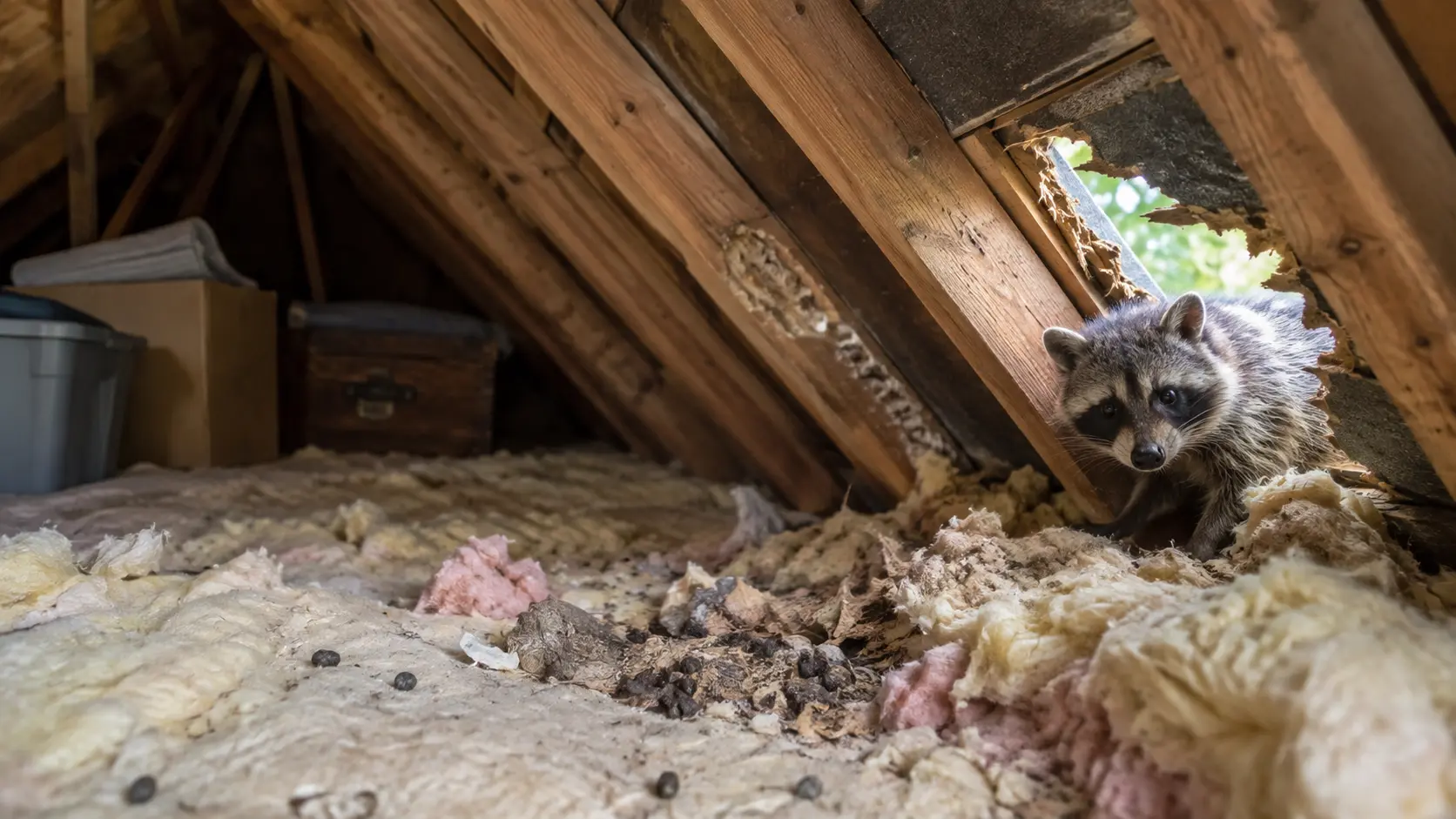
Wildlife can get into your attic through openings that are easy to overlook. A loose soffit, damaged vent, gap around the roofline, or even an opening around a pipe can give an animal enough room to get inside. In McDonough, fall can also bring more wildlife activity around homes as animals look for sheltered spaces before colder weather arrives.
Once an animal finds a way into the attic, it may settle into insulation, build a nest, or return to the same opening repeatedly. Knowing where these entry points are can help you catch problems early and make your home harder for wildlife to get into.
If you’ve noticed scratching overhead, found damage around the roof, or spotted signs that something has moved into the attic, Direct Pest Solutions can help you figure out what’s happening. Our attic pest control services include a free inspection to help locate the animal, identify the entry point it used, and address the problem before it becomes a bigger headache.
6 Common Ways Wildlife Can Get Into Your Attic
Wildlife does not need a large hole to enter an attic. Some animals can squeeze through surprisingly small openings, while larger animals may damage weak areas to make an opening big enough to get through.
Here are six common ways animals get inside.
1. Gaps Around Roof Vents and Soffits
Roof vents and soffits help ventilate your attic, but damaged screens, loose covers, or gaps around these areas can also create an entry point.
Squirrels, birds, bats, and smaller wildlife may take advantage of openings around vents. A loose soffit can create another path into the space beneath your roof, especially if part of it has pulled away from the house.
Check vents and soffits for missing screens, damaged materials, or areas that no longer sit tightly against the home.
2. Damaged Fascia and Roof Edges
Fascia boards run along the edge of your roof and can become vulnerable when they are damaged, rotted, or pulled away from the structure.
Wildlife may use an existing weak spot to gain access to the attic. An animal that finds a small opening may also enlarge it by chewing, scratching, or pulling at damaged material.
Pay close attention to areas where the roof meets the exterior walls. Damage in these spots can be easy to miss from the ground.
3. Openings Around Chimneys and Flashing
The areas around chimneys, flashing, and roof intersections can develop gaps as materials age or shift.
These openings may be small, but they can still provide access to wildlife. Loose flashing or deteriorated seals can leave parts of the roofline exposed, giving animals another way into the attic.
During a roof inspection, look closely at places where different materials meet. These transitions can create gaps that are not obvious from inside the attic.
4. Damaged or Uncovered Attic Vents
Attic vents allow air to move through the space, but they also need to be properly covered and protected.
If a vent screen is damaged, missing, or weak enough for an animal to push through, it can become an easy entry point. Birds and bats may enter through exposed vents, while squirrels and other wildlife may damage the opening further.
Make sure vent covers are secure and that the screening is strong enough to keep wildlife out without blocking proper ventilation.
5. Tree Branches Close to the Roof
Trees near your home can give climbing animals an easy route onto the roof.
Squirrels can move along branches and jump onto nearby roof sections. Once on the roof, they can look for openings around vents, shingles, soffits, and other vulnerable areas.
Keeping branches trimmed away from the roof can make access more difficult. It can also make it easier to spot roof damage before an animal finds it.
6. Gaps Around Pipes, Wires, and Other Openings
Your home has several points where pipes, wires, ducts, and other materials pass through walls or the roof. If these areas are not properly sealed, they can leave small gaps around the opening.
These overlooked spaces may be enough for smaller animals to enter the attic. Over time, an existing gap can also become larger if an animal starts chewing or pulling at the surrounding material.
Check these areas during regular home maintenance, especially if you have noticed signs of wildlife activity in or around the attic.
Why Does Wildlife Get Into the Attic?
Your attic can look like an easy place for wildlife to settle, especially when outdoor conditions become less comfortable. Common reasons animals may choose an attic include:
- Shelter from the weather: An attic provides protection from rain, wind, and colder temperatures.
- A quiet place to rest: Attics are usually dark and have little human activity.
- Nesting space: Insulation and other materials can give animals a place to build nests.
- Protection for young: Some wildlife may look for enclosed spaces where they can raise their young.
- Easy access: A small opening around the roof or exterior of the home can make getting inside surprisingly simple.
- Nearby trees and vegetation: Trees around McDonough homes can give climbing animals access to the roof, where they may find an opening into the attic.
Once an animal finds a comfortable place to stay, it may continue using the same entry point unless the opening is properly addressed.
Common Attic Wildlife in McDonough
Several types of wildlife can make their way into McDonough attics. Knowing what may be inside can help you recognize the signs, but the right removal approach depends on the animal and how it entered the home.
Squirrels
Squirrels are one of the more common daytime attic visitors. They can squeeze through damaged roof areas, vents, or small openings around the roofline and may use insulation or other materials to build a nest.
Chewed wood, insulation, or entry points combined with daytime scratching are common clues. Trimming branches away from the roof and using one-way exclusion doors can help get squirrels out and discourage them from returning.
Raccoons
Raccoons are much larger than squirrels and can cause significant damage when trying to enter an attic. They may tear through weak sections of the roof or enlarge existing openings to get inside.
Heavy nighttime movement is one of the clearest signs. Droppings, nesting material, and damaged insulation can provide additional evidence.
Rats and Mice
Rodents can enter through surprisingly small gaps and may remain hidden for long periods. Once inside, they can chew insulation, wiring, wood, and other materials while building nests.
Small droppings and light scratching at night are common signs. A persistent odor can also develop when rats and mice have been using the same areas repeatedly. Rat traps may catch some rodents, but they do not address how the animals are getting into the attic. If there is an opening nearby, new rodents may continue finding their way inside.
Bats
Bats can enter through small openings around rooflines, vents, and other areas of the attic. They may roost in groups and leave behind guano, which can accumulate beneath their resting areas.
Bat removal requires extra care because certain bat species have legal protections. Professional wildlife control is the safest route when bats are suspected.
Birds and opossums can also get into attics, although squirrels, raccoons, rodents, and bats are among the wildlife homeowners encounter most often in McDonough.
Warning Signs of Animals in Your Attic
You may not see an animal directly. In many cases, the first signs are sounds, damage, or changes around the attic.
Watch for:
- Scratching or scurrying sounds
- Heavy movement or thumping overhead
- Droppings or urine stains
- Torn or disturbed insulation
- Chewed wiring, wood, or other materials
- Leaves, twigs, or shredded material used for nesting
- Unusual odors
- New damage around vents, soffits, or roof edges
- Gaps or holes that were not there before
The timing of the activity can also provide a clue. Squirrels are often more active during the day, while rats, mice, and raccoons may create more noticeable activity after dark.
How to Remove Wildlife From Your Attic
Removing an animal from an attic involves more than getting it out of the space. You also need to figure out how it got inside and address the opening so another animal does not use the same route.
If you are dealing with a minor issue, some basic steps can help.
- Check the exterior for gaps around vents, soffits, fascia, and roof edges.
- Trim tree branches that give squirrels easy access to the roof, and repair damaged screens or covers around attic vents.
- You can also look for droppings, nesting material, or other signs that may help identify where the animal has been spending time.
However, do not seal an opening if you think an animal is still inside. You could trap it in the attic or separate a mother from her young. Traps or deterrents may also fail if the actual entry point is never addressed.
The right removal method depends on the type of animal, where it is located, and whether there are young present.
If you are unsure what is inside or cannot safely reach the animal, it is better to have the attic inspected by professional pest control technicians, rather than attempting to remove it yourself.
How to Prevent Wildlife From Getting Back Into Your Attic
Once the attic is clear, preventing another animal from getting inside should be the next step.
A few simple maintenance steps can help:
- Inspect the roof: Look for damaged shingles, loose flashing, holes, and gaps around the roofline.
- Check attic vents: Make sure screens and covers are secure and undamaged.
- Repair soffits and fascia: Replace or repair sections that are loose, damaged, or rotting.
- Trim nearby branches: Keep tree limbs away from the roof to make access more difficult for climbing animals.
- Seal exterior openings: Check areas around pipes, wires, vents, and other openings for gaps.
- Check for new damage: Wildlife can create larger openings after finding a small weak spot, so inspect vulnerable areas regularly.
If you suspect an animal is still inside, do not seal the opening until the attic has been checked. Blocking the entrance too soon can leave the animal trapped inside and create additional problems.
When Should You Call for Attic Pest Control?
A few unexplained sounds may not seem like an emergency, but ongoing wildlife activity can lead to property damage if the problem is left alone. Some animals can also pose health and safety risks if you come into direct contact with them.
Consider calling a professional if you:
- Continue hearing scratching or movement in the attic
- Find droppings or nesting material
- Notice damaged insulation or wiring
- Find a hole or opening near the roof
- Hear heavy movement overhead
- Suspect a raccoon, bat, or other larger animal
- Have tried to remove an animal but it keeps returning
- Cannot identify what is making the noise
Bats and raccoons can carry rabies, so attempting to catch or handle them can put you at risk of exposure. The CDC recommends avoiding direct contact with bats. Bat and bird droppings can also contain Histoplasma, a fungus that can cause histoplasmosis when contaminated material is disturbed and spores are inhaled.
An inspection can help determine what is happening, where the animal is getting inside, and what removal method is appropriate. Professional wildlife removal can also help address the entry point after the animal has been removed.
Keep Wild Animals Out of Your McDonough Attic This Fall
Once an animal gets comfortable in your attic, waiting for it to leave usually will not solve the problem. The animal needs to be removed safely, and the opening it used to get inside needs to be addressed so you are not dealing with the same issue again.
Direct Pest Solutions can inspect the attic and exterior of your home to help determine what animal is getting inside, where it is staying, and how it gained access. From there, our team can recommend the appropriate removal and exclusion steps for your home.
Our wildlife removal and trap setting services help McDonough homeowners deal with unwanted wildlife without having to guess what is happening overhead. If animals have damaged your insulation, we also offer crawlspace insulation to help restore affected areas.
For pest removal from your attic, request a free quote now or call (678) 722-5533 to schedule an inspection.
Frequently Asked Questions
What animals can get into my attic?
Squirrels, raccoons, rats, mice, bats, birds, and opossums can all get into attics. The type of animal you have may depend on the size of the opening, the condition of your roof, and the wildlife around your home.
How do you get animals to leave your attic?
The best approach depends on the animal. Some may be removed using traps or other wildlife control methods, while others require a more careful approach to avoid trapping them inside or separating adults from their young. Once the animal is removed, the entry point should also be addressed.
What animal is in my attic at night?
Noises at night are often associated with rats, mice, raccoons, or other nocturnal wildlife. Scratching, scurrying, chewing, and heavier movement can provide clues, but an inspection may be needed to determine exactly what is inside.
How long can an animal stay in an attic?
An animal can stay in an attic for days, weeks, or even longer if it has access to food, water, shelter, or a safe nesting area. Wildlife may continue using the same attic if the opening it entered through is never addressed.
Do animals leave an attic on their own?
Not always. An animal may leave temporarily to look for food and then return through the same opening. If it has built a nest or has young inside, it may have even more reason to stay. Removing the animal and addressing the entry point can help prevent the problem from continuing.
How much does wildlife removal from an attic cost?
The cost depends on the type of animal, how many animals are present, where they are located, and whether repairs or exclusion work are needed. An inspection can help determine what is involved before a removal plan is recommended.
How quickly can a removal team inspect my attic in McDonough?
Once an appointment is scheduled, a technician can inspect your attic, identify what is causing the noise, and determine how it got inside. Request a free quote online or call (678) 722-5533 to schedule an inspection with Direct Pest Solutions.