
You’ve likely got pests slipping in through attic vents, soffits, and roof penetrations where torn screens or flashing let them nest. Gaps around pipes, electrical chases, and HVAC openings are next. Cracks in foundations, crawlspaces, and basement walls also play a role. Don’t forget window and door gaps, missing sweeps, and worn weather stripping. Clogged gutters, poor downspout drainage, and debris-lined rooflines attract critters. Additionally, woodpiles and overgrown vegetation give pests cover. Keep going to learn simple fixes.
The Cliff Notes
- Attic vents, soffits, and roof penetrations with ripped screens or torn flashing let birds, rodents, and bats into your attic.
- Gaps around pipes, electrical conduits, and HVAC chases provide easy access for rodents and insects if left unsealed.
- Cracks in foundations, crawlspaces, and basement walls allow ants, termites, and rodents to enter at ground level.
- Missing door sweeps, damaged weatherstripping, and loose window seals enable insects and small rodents to slip inside.
- Clogged gutters, pooled water near foundations, and overhanging vegetation create moisture and pathway access for mosquitoes, ants, and rodents.
Attic Vents, Soffits, and Roof Penetrations
Because attic vents, soffits, and roof penetrations are often out of sight, they’re easy for pests like wasps, bats, and squirrels to exploit when screens are damaged or gaps exist. You should inspect these pest entry points regularly, looking for ripped screens, loose soffit panels, and torn flashing. In Georgia, overhanging branches make roof access simpler. Trim vegetation 12–18 inches back to reduce risk. Small animals can be blocked effectively by installing fine-mesh hardware cloth over vents and sealing exposed openings with durable materials. Make checks part of your home pest prevention routine. Catching holes early and repairing or replacing compromised vents prevents nesting, structural damage, and costly removals. Stay proactive to keep critters out. Additionally, implementing a comprehensive rodent control program can further enhance your home’s defenses against unwanted wildlife.
Gaps Around Pipes, Electrical Conduits, and HVAC Chases
Don’t ignore the gaps where pipes, conduits, and HVAC chases penetrate your walls and floors. Ants, cockroaches, and rodents can squeeze through even small openings. Seal gaps promptly with durable materials like caulk or expanding foam to block pests and stop drafts. Check these areas regularly so you can repair new openings before they become infestations. Additionally, gaps under garage doors provide easy access for rodents, making it crucial to address all potential entry points.
Seal Gaps Promptly
If you notice gaps where pipes, electrical conduits, or HVAC chases penetrate walls or floors, seal them right away—those small openings are favorite entry points for ants, cockroaches, and other pests. Check these spots routinely, especially around sinks, water heaters, and utility closets. When you find voids, clean debris, then fill gaps with appropriate sealants like expansion foam or silicone caulk to block crawling insects. Don’t ignore hairline cracks; several small openings equal one big invitation. After sealing, inspect again seasonally and after any maintenance that disturbs walls or ducts. Prompt action reduces the chance of infestation and stops pests before they spread. If gaps are extensive or near wiring or ductwork, consult a professional for safe, effective sealing. Additionally, moisture control is essential for reducing pest habitats, as many pests thrive in damp environments.
Use Durable Materials
While small, gaps around pipes, electrical conduits, and HVAC chases are common, they’re also invitation points for ants, cockroaches, and rodents—so use durable materials to seal them. You should inspect utility penetrations regularly, since openings as small as a quarter-inch let pests slip in. Choose long-lasting sealants like silicone caulk for narrow gaps and closed-cell spray foam for larger voids, and reinforce with steel wool or copper mesh where rodents chew. Proper sealing also reduces drafts and moisture, improving energy efficiency. Additionally, routine pest control is essential for maintaining home value and preventing infestations from escalating. After sealing, recheck annually and after any work that disturbs penetrations so compromised seals don’t become new entry points.
- Narrow wall penetrations sealed with silicone caulk
- Larger chases filled with closed-cell foam
- Rodent-prone gaps backed with steel wool
- Annual inspection schedule
Cracks in Foundations, Crawlspaces, and Basement Walls
Don’t ignore small cracks in your foundation, crawlspace, or basement walls. Ants, spiders, and even termites can squeeze through tiny openings. Have your foundation inspected regularly and seal gaps with appropriate concrete caulk or sealant to block those entry points. Also check and repair crawlspace ventilation gaps and keep mulch and soil at least 12 inches from the foundation to reduce pest attraction. Implementing a seasonal pest-proofing checklist can further enhance your home’s defenses against unwanted invaders.
Foundation Crack Sealing
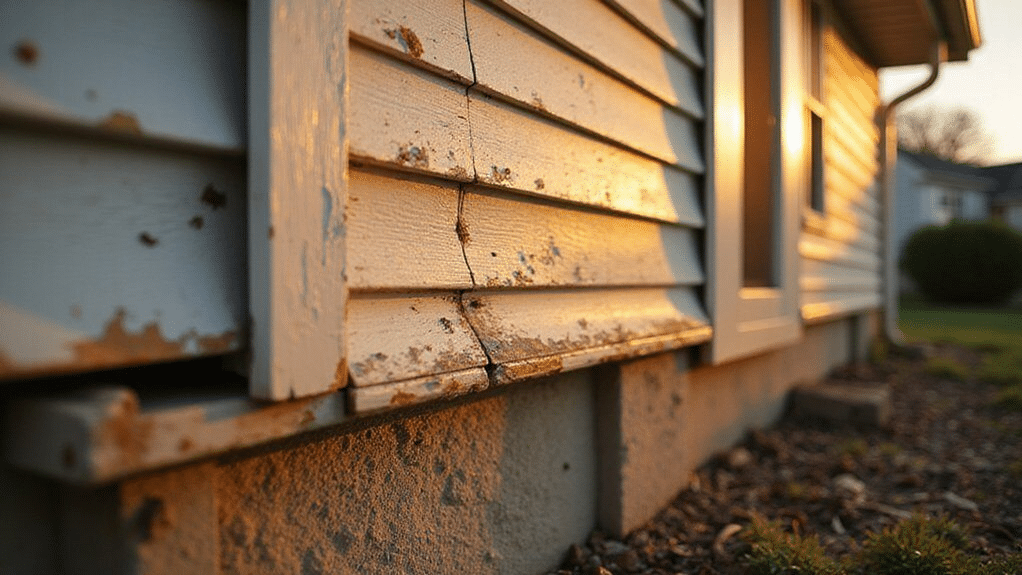
Because pests only need a hairline crack to get inside, you should regularly inspect your foundation, crawlspace, and basement walls for gaps and seal them with a proper concrete caulk or sealant. Do it seasonally and after heavy settling or freezing weather so ants, spiders, and termites don’t find an invite. Use a concrete-specific caulk, push back soil or debris first, and smooth the sealant for a tight bond. Sealing also improves energy efficiency and helps preserve structural integrity. Keep mulch and plantings at least 12 inches from the foundation to avoid hiding spots that lead to cracks. If you find wide or structural cracks, consult a pro—cosmetic fixes won’t stop deeper problems. Regularly checking for signs of infestation can help you identify potential entry points before they become a serious issue.
- Tiny hairline gaps at the footing
- Cracked basement wall corners
- Joints where slabs meet walls
- Areas behind dense mulch
Crawlspace Ventilation Gaps
If you ignore tiny gaps around crawlspace vents and foundation seams, pests will treat them like open doors—rodents, spiders and many insects can squeeze through hairline cracks or crawlspace vents left unsealed. You should inspect vents, foundation joints, and basement walls regularly, especially where moisture collects, because damp conditions attract termites, ants and other pests. Seal gaps with concrete caulk or spray foam designed for foundations to block pathways and improve energy efficiency. Keep the crawlspace clean, dry, and well-ventilated; consider a vapor barrier and proper drainage to remove humidity that invites infestations. Installing a crawl space moisture barrier can significantly reduce moisture levels that lead to pest problems. Small fixes now—sealing vents, repairing cracks, and maintaining airflow—prevent costly pest problems later and protect your home’s structure and comfort.
Window and Door Gaps, Missing Sweeps, and Faulty Weatherstripping
When building materials expand and contract over time, small gaps can appear around your windows and doors. These gaps are perfect crawlways for ants, cockroaches, and even small rodents. Missing door sweeps and worn weather stripping make the problem obvious when you can see daylight under the frame. You should inspect frames routinely, slide your hand along edges, and replace damaged seals or sweeps immediately. Sealing gaps with appropriate caulk or foam, installing new door sweeps, and upgrading weather stripping stops pests and reduces drafts, lowering energy bills. Don’t wait for signs of infestation—prevention is simple and effective. Additionally, effective pest control is essential to prevent structural damage and health risks associated with pest infestations.
Small gaps around doors and windows invite pests and drafts—inspect seals, replace sweeps, and seal gaps promptly.
- Visible daylight under exterior doors signals an entry point
- Torn or compressed weatherstripping lets tiny insects through
- Gaps at window sills can harbor ants and cockroaches
- Missing sweeps invite small rodents and drafts
Gutters, Downspouts, and Roofline Debris
Though they’re out of sight, clogged gutters and neglected rooflines are major entry points for pests. Standing water in blocked gutters attracts mosquitoes, debris-packed troughs invite rodents and birds, and piled leaves or overhanging branches give ants, squirrels, and raccoons a bridge onto your roof and into attics. You should clean gutters at least twice during summer to prevent buildup and breeding sites. Install gutter guards to reduce clogging and maintenance frequency. Make sure downspouts discharge away from your foundation so water won’t pool and lure ants or termites. Regularly inspect rooflines, removing leaves and trimming branches that touch the house to deny pests easy access. Additionally, standing water is a prime breeding ground for mosquitoes, making it crucial to manage drainage effectively. These straightforward steps cut pest pressure and protect both roof integrity and interior spaces.
Woodpiles, Firewood Storage, and Exterior Vegetation
Woodpiles and overgrown vegetation are common but often overlooked gateways for termites, ants, and rodents. Store firewood at least 20 feet from the house and keep stacks 5 inches off the ground to cut sheltering and moisture that attract pests. Inspect and rotate wood regularly, checking for bore dust, frass, or visible insects before you bring logs inside. Trim trees and shrubs so branches and foliage sit 12–18 inches away from siding and rooflines to prevent critters from bridging the gap. Keep vegetation low to deny hiding spots and reduce humidity near foundations. Additionally, sealing gaps around the home is crucial to prevent pests like German and American cockroaches from entering your living space.
- Firewood stacked against foundation, damp and shaded
- Low-hanging branches touching eaves
- Dense shrubs abutting exterior walls
- Untended woodpile with visible insect activity
Frequently Asked Questions
What Are Entry Points for Pests?
Cracks and gaps let pests in: tiny foundation hairlines, pipe and utility holes, missing door sweeps, roof and attic openings, unscreened vents, and clogged gutters. Seal, screen, and sweep regularly to keep them out.
How to Find Entry Points for Bugs?
Check around foundations, windows, doors, vents, gutters, and utility penetrations. You’ll want to inspect under sinks, in crawlspaces, attics, and rooflines. Use a flashlight and seal gaps with caulk, mesh, or foam.
How to Find Where Bugs Are Entering the Home?
Like detectives following faint footprints, inspect foundation cracks, window and door seals, utility penetrations, attic vents, gutters, and rooflines. Use a flashlight, caulk, mesh, and trim branches to seal and block likely insect paths.
How to Find Rat Entry Points in House?
Check for droppings, gnaw marks, greasy rub marks, and shredded nesting material in basements, attics, crawlspaces, and near pipes. Seal half-inch gaps. Inspect utility penetrations, doors, vents, and gutters. Follow trails to find openings.