
What Animal Is in My Attic? Common Wildlife in Locust Grove, GA
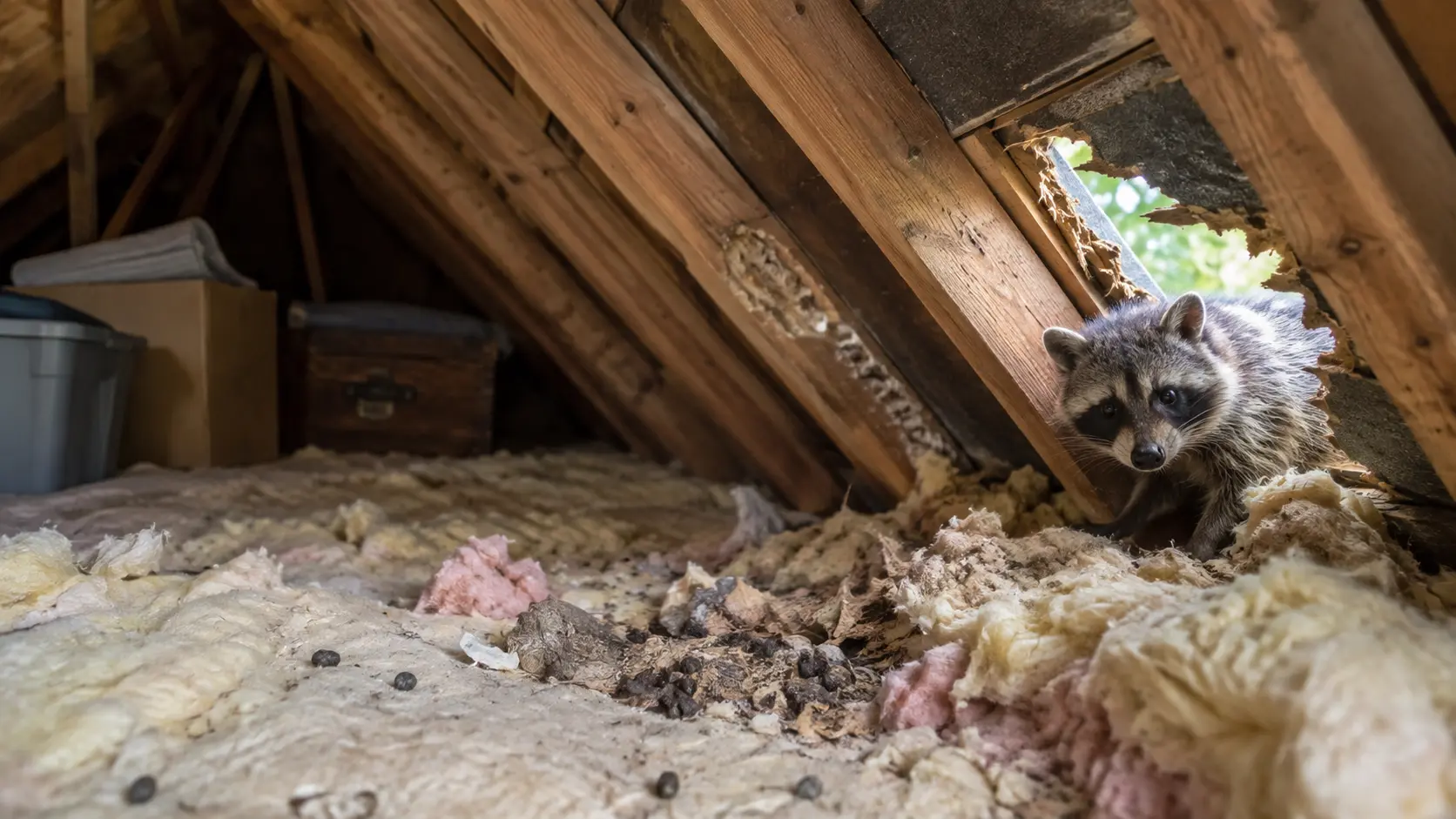
Hearing scratching, scurrying, or thumping above your ceiling usually means wildlife has found a way into your attic. In Locust Grove homes, squirrels, raccoons, rats, mice, bats, and birds are among the animals that can take advantage of attic spaces. The timing and type of noise, along with droppings, nesting material, or damage, can help narrow down exactly what you’re dealing with.
Getting the animal out is only part of the solution. The entry point also needs to be found and addressed so another animal doesn’t move into the same space.
If you’re trying to figure out what animal is in your attic, you don’t have to solve the mystery yourself. Direct Pest Solutions provides professional pest and wildlife removal in Locust Grove. You can request a free inspection and quote and get a plan for removing the animal and preventing it from coming back.
Why Are Animals in the Attic?
Attics provide many of the things wildlife needs to survive and raise young. They are dark, enclosed, and generally quiet, which gives animals a place to rest without much disturbance from people or predators. Insulation can also provide a soft material for nesting, while the space between walls and roofing keeps animals protected from rain, wind, and extreme temperatures.
Wildlife can also find attics easier to access than homeowners realize. Small gaps around roof vents, soffits, chimneys, and rooflines can provide an easy entry point. Once inside, animals may find plenty of space to move around, hide, and build nests without being noticed.
Locust Grove’s wooded areas, mature trees, and green spaces give wildlife plenty of opportunities to get close to residential properties. Squirrels can move from trees onto roofs, raccoons can climb onto structures, and smaller animals can use existing gaps to get inside. When an attic provides both easy access and a protected place to stay, wildlife has little reason to leave.
Signs You Have an Animal in Your Attic
The first sign is often a noise you can’t quite explain. You might hear scratching after dark, quick movement across the ceiling, or heavier footsteps overhead. But sounds aren’t the only clue.
Look for:
- Scratching, scurrying, or thumping sounds
- Droppings or urine stains
- Torn or disturbed insulation
- Chewed wiring, wood, or stored belongings
- Leaves, twigs, or shredded material used for nesting
- Unusual odors coming from the attic
- New gaps or damage around vents and roofline areas
These signs can tell you that something has moved in, but figuring out what animal is in your attic takes a closer look. The timing and type of noise can provide the first clue.
How to Identify the Animal in Your Attic
Different animals make different sounds and leave different evidence behind. Paying attention to when you hear the activity, how heavy it sounds, and where it seems to be coming from can help narrow down the possibilities.
Daytime Scurrying and Scratching
Quick scratching or movement during the day often points to squirrels. They can be surprisingly noisy as they move around the attic, particularly when they’re entering or leaving through a roof opening.
Birds can also create daytime noise if they’ve gotten into a vent or built a nest nearby. Fluttering, chirping, and short bursts of movement are more typical than the heavier sounds associated with larger animals.
Nighttime Noises
Hearing movement after dark can point toward rats, mice, raccoons, or bats. Rodents usually produce lighter scratching and scurrying, while raccoons can create noticeably heavier footsteps and movement.
Pay attention to how the sound moves across the attic. A small animal darting quickly through one area sounds very different from a larger animal walking slowly across the floor.
Heavy Thumps or Bumps
Heavy footsteps, dragging, or repeated thumping may indicate a larger animal such as a raccoon. Their size makes them much easier to hear than mice or other small rodents.
If the noise is loud enough to wake you or you can hear it clearly through the ceiling, it’s worth having the attic inspected rather than assuming it’s just a small rodent.
Fluttering or Chirping
Fluttering wings, chirping, or scratching near vents can indicate birds or bats. Birds are usually more active during daylight, while bats are more likely to be heard or seen around dusk and at night.
If you suspect bats, avoid trying to catch or handle them yourself. Proper identification and removal are important, particularly when animals may be roosting in groups.
Common Attic Wildlife in Locust Grove
Several types of wildlife can find their way into Locust Grove attics. The animal you’re dealing with will determine what kind of damage to look for and how it should be removed.
Squirrels
Squirrels are one of the more common daytime attic visitors. They can squeeze through damaged roof areas, vents, or small openings around the roofline and may use insulation or other materials to build a nest.
Chewed wood, insulation, or entry points combined with daytime scratching are common clues. Removing nearby food sources and trimming branches away from the roof, and using one-way exclusion doors can help get squirrels out and discourage them from returning.
Raccoons
Raccoons are much larger than squirrels and can cause significant damage when trying to enter an attic. They may tear through weak sections of the roof or enlarge existing openings to get inside.
Heavy nighttime movement is one of the clearest signs. Droppings, nesting material, and damaged insulation can provide additional evidence.
Rats and Mice
Rodents can enter through surprisingly small gaps and may remain hidden for long periods. Once inside, they can chew insulation, wiring, wood, and other materials while building nests.
Small droppings and light scratching at night are common signs. A persistent odor can also develop when rats and mice have been using the same areas repeatedly.
Bats
Bats can enter through small openings around rooflines, vents, and other areas of the attic. They may roost in groups and leave behind guano, which can accumulate beneath their resting areas.
Bat removal requires extra care because certain bat species have legal protections. Professional wildlife control is the safest route when bats are suspected.
Birds and opossums can also get into attics, although squirrels, raccoons, rodents, and bats are among the wildlife homeowners encounter most often in Locust Grove.
How Animals Get Into Your Attic
Wildlife doesn’t need a large hole to get inside. A damaged vent, loose soffit, gap along the roofline, or opening around a pipe can be enough for an animal to find its way in.
Common entry points include:
- Roof and gable vents
- Soffits and fascia
- Damaged shingles or roofing
- Gaps around the roofline
- Openings around pipes and utility lines
- Weak or damaged sections of siding
Once an animal finds a reliable way inside, it may return to the same opening repeatedly. That’s why simply removing the animal isn’t always enough. The entry point needs to be identified and addressed as part of the solution.
How to Prevent Animals From Getting Into Your Attic
Keeping wildlife out starts with making your attic harder to access. Most animals don’t need a large opening to get inside, so small gaps around the roof and exterior of your home deserve attention.
- Inspect your roof regularly: Look for damaged shingles, loose flashing, and gaps around the roofline that could create an entry point.
- Secure roof and gable vents: Check that vents have sturdy screens that animals cannot chew or push through.
- Seal gaps around soffits and fascia: Loose or damaged sections can give squirrels, raccoons, and other wildlife an easy way into the attic.
- Trim branches away from the roof: Overhanging tree limbs can give squirrels and other climbing animals a direct route onto your roof.
- Remove potential nesting materials: Keep leaves, branches, and yard debris away from areas where wildlife can easily access them.
- Address damage quickly: A small opening can become a much larger entry point once an animal starts chewing or pulling at it.
If you already hear scratching, see droppings, or notice signs of nesting, don’t seal the opening until you know the animal is out. You could trap it inside, creating a bigger problem involving odors, property damage, or a distressed animal.
Should I Attempt DIY Wildlife Control?
It’s tempting to handle an attic animal yourself, especially when the only evidence is a little scratching overhead. But wildlife can be difficult to identify and even harder to remove safely.
Mothballs, loud radios, bright lights, and other DIY deterrents may not solve the problem. In some cases, they can push an animal deeper into the attic or cause it to find another part of the home to occupy.
You should also avoid sealing an opening before confirming the animal is out. Doing so can trap an animal inside, particularly if there are babies in a nest. Raccoons, bats, and other wildlife can also bite or scratch when they feel threatened.
For these reasons, professional removal is usually the safer and more reliable option.
When to Call a Professional Wildlife Exterminator
Some attic wildlife problems are difficult to resolve safely without professional help. Call a wildlife removal professional when:
- Scratching or movement continues for several days
- You find damaged wiring or insulation
- Strong odors are coming from the attic
- You find droppings or nesting material
- You suspect raccoons or bats
- You believe young animals may be present
- An animal keeps returning after DIY attempts
A proper inspection can identify the animal, locate the entry point, and determine what needs to be done to keep the problem from happening again.
Get the Animal Out of Your Attic and Keep It Out
Once an animal gets comfortable in your attic, simply waiting for it to leave usually isn’t enough. The animal needs to be removed safely, and the opening it used to get inside needs to be addressed.
Direct Pest Solutions starts with an inspection to determine what animal is in your attic, where it’s staying, and how it gained access. From there, our team can recommend the appropriate removal and exclusion steps for your home.
Our wildlife removal and trap setting services help Locust Grove homeowners deal with unwanted wildlife without guessing at the problem. We also offer crawlspace insulation to help repair and restore insulation that has been damaged by animals.
If you’re hearing something overhead, don’t wait for the damage to get worse. Request your free quote or call (678) 722-5533 to get your attic inspected and the problem addressed.
Frequently Asked Questions
How can you tell what animal is in your attic in Locust Grove?
Pay attention to when the noise occurs, how it sounds, and what signs you find nearby. Daytime scratching often points to squirrels, while nighttime activity can indicate rodents or raccoons.
What does an animal in the attic sound like?
It can sound like scratching, scurrying, chewing, fluttering, or heavy thumping. The type of sound and time of day can help narrow down which animal may be inside.
What animals are active at night in the attic?
Rats, mice, raccoons, and bats are commonly active at night. Squirrels and birds are more likely to create noticeable activity during the day.
How do I get animals out of my attic?
The safest approach is to identify the animal, remove it using the appropriate method, and then seal the entry point once you’re sure the attic is clear. Professional wildlife removal can handle all three steps.
Can I remove an attic animal myself?
Some minor wildlife issues may be manageable, but DIY removal can be risky. Raccoons, bats, and animals with young should be handled by a trained professional.
How do I know if it’s a squirrel or a rat in my attic?
Squirrels are usually active during the day, while rats are more active at night. Squirrels may leave larger nesting materials, while rats often leave small droppings and chew marks around the attic.
How quickly can a removal team inspect my attic in Locust Grove?
Once an appointment is scheduled, a technician can inspect your attic, identify what is causing the noise, and determine how it got inside. Request a free quote online or call (678) 722-5533 to schedule an inspection with Direct Pest Solutions.